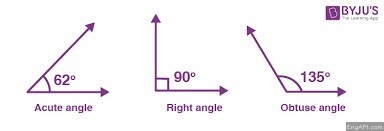
acute
音标:
英音/ əˈkjuːt / 美音/ əˈkjuːt /
听听基本释意:
外刊例句:
It follows a trend of homelessness among the youngest care leavers which campaigners say is growing more acute.
活动人士称,最年轻的离开护理人员无家可归的趋势正变得越来越严重。
—BBC
Carney’s problems with the US are more acute than the UK’s.
卡尼与美国的问题比与英国的问题更为严重。
—BBC
The family expects the Air Force staff sergeant to be in acute care for the next two to three weeks, and they feel optimistic about his progress, said the governor in a statement.
州长在一份声明中表示,家人预计这位空军上士将在未来两到三周内接受重症监护,他们对他的进展感到乐观。
—BBC
基本释意:
adjective
ending in a sharp point
严重的,危险的;急性的,剧烈的;灵敏的;敏锐的,有洞察力的;锐角的;带尖音符的;(声音)高的,尖的
同义词:
没有找到同义词
短释义:
The word acute is one word; it’s not two words, nor does it have anything to do with something small, cuddly, and pretty! Acute really means “sharp” or “severe” or “intense” and modifies certain kinds of angles in geometry or describes a certain kind of illness of short duration. The English word apparently entered the language during the sixteenth century from the Latin root acutus, which means “sharp” or “pointed.”
当你想形容某件事尖锐或极其严重时,请使用形容词“acute”。
长释义:
The word acute is one word; it’s not two words, nor does it have anything to do with something small, cuddly, and pretty! Acute really means “sharp” or “severe” or “intense” and modifies certain kinds of angles in geometry or describes a certain kind of illness of short duration. The English word apparently entered the language during the sixteenth century from the Latin root acutus, which means “sharp” or “pointed.”
尖锐这个词是一个词;这不是两个词,也与小、可爱、漂亮的东西无关!急性的真正意思是“尖锐的”或“严重的”或“强烈的”,并且修改几何中的某些类型的角度或描述某种短期的疾病。这个英语单词显然是在十六世纪从拉丁语词根 acutus 进入语言的,意思是“锋利的”或“尖的”。
文学例句:
I awaited Greek class, on Monday, with acute curiosity.
周一,我怀着强烈的好奇心等待着希腊语课。
—The Secret History by Donna Tartt
“There’s nothing wrong with me,” I went on, “except acute chronic fear.”
“我没有什么问题,”我继续说道,“除了急性的慢性恐惧。”
—The Left Hand of Darkness by Ursula K. Le Guin
Her own ward had been redesignated as an overflow to acute surgical, but the definitions meant nothing at first.
她自己的病房已被重新指定为急性外科病房,但这些定义一开始毫无意义。
—Atonement by Ian McEwan
词源:
acute(adj.)late 14c., originally of fevers and diseases, “coming quickly to a crisis” (opposed to chronic), from Latin acutus “sharp, pointed,” figuratively “shrill, penetrating; intelligent, cunning,” past participle of acuere “to sharpen” (literal and figurative), from PIE root *ak- “be sharp, rise (out) to a point, pierce.”
It was also used of humors (early 15c.). The meaning “ending in a sharp point” is from 1560s; the sense of “sharp or penetrating in intellect” is from 1580s. Of feelings, pains, etc., “intense,” 1727. As a noun, early 15c. of fevers; c. 1600 as “an acute accent.” Related: Acutely; acuteness.also from late 14c.
下面是词源的翻译(机器翻译比较难翻,参考着看)
急性(形容词)晚期14c.,最初是发烧和疾病,“迅速陷入危机”(与慢性相反),来自拉丁语acutus“尖锐的,尖锐的”,比喻“尖锐的,穿透性的;聪明的,狡猾的”,acuere的过去分词“锐化”(字面和比喻),来自PIE根*ak-“变得尖锐,上升(出)到一点,刺穿。”它也被用来指幽默(15世纪早期)。 “以尖锐的点结束”的意思来自1560年代; “智力敏锐”的意思是从1580年代开始的。感情、痛苦等,“强烈”,1727 年。作为名词,15 世纪早期。发烧; c. 1600 为“尖锐的口音”。相关:急性;敏锐度。也是从 14 世纪末开始。
本站没有存储任何书籍、杂志和报纸。
页面内容只做展示和推荐。如果您喜欢本期内容请购买正版。
This site does not store any books, magazines or newspapers.
The contents of the pages are for display and recommendation only.
If you like the content of this issue please purchase the original.