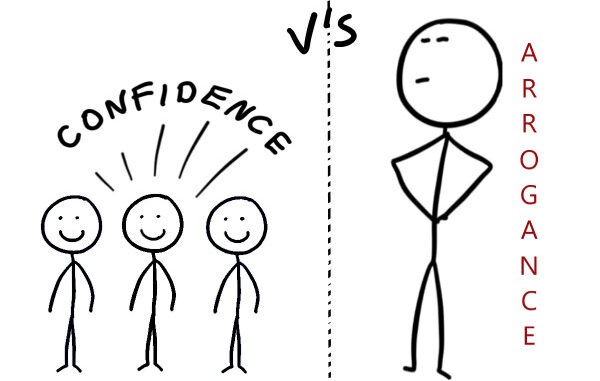
arrogance
音标:
英音/ ˈærəɡəns / 美音/ ˈærəɡəns /
听听基本释意:
外刊例句:
“Too many modern designs had been ‘ego-driven’ and the architectural arrogance was off the scale,” he said.
“太多的现代设计都是‘自我驱动’,建筑上的傲慢已经超出了规模,”他说。
—BBC
Drew-Honey says after leaving the show, he “had this arrogance. I thought, ‘Oh, yeah, well, there’s just always going to be a big job coming every year.'”
德鲁-哈尼说,离开节目后,他“有一种傲慢。我想,‘哦,是的,好吧,每年都会有一份大工作。’”
—BBC
Accusations of arrogance have swirled in the build-up after an Irish radio station debated whether their side would be victorious if they took the field with only 12 or 13 players.
在一家爱尔兰广播电台争论如果他们的球队只有 12 名或 13 名球员上场是否会获胜后,人们对傲慢的指责在集结中蔓延。
—BBC
基本释意:
none
none
傲慢,自大
同义词:
没有找到同义词
短释义:
Arrogance comes from the Latin arrogans which means overbearing. If you show arrogance, your pride is overbearing and offensive to others. Arrogance can also be attributed to corporations who fail to take consumer opinion into account and to nations that seem to do whatever they want with no regard for other countries.
傲慢是专横的骄傲或傲慢。如果你的朋友不断抱怨你的傲慢,你可能想丢掉傲慢的态度,尝试变得更加谦虚。
长释义:
Arrogance comes from the Latin arrogans which means overbearing. If you show arrogance, your pride is overbearing and offensive to others. Arrogance can also be attributed to corporations who fail to take consumer opinion into account and to nations that seem to do whatever they want with no regard for other countries.
傲慢源自拉丁文arrogans,意思是专横跋扈。如果你表现出傲慢,你的骄傲就会变得专横并且冒犯别人。傲慢还可以归因于那些不考虑消费者意见的公司以及似乎为所欲为、不顾其他国家的国家。
文学例句:
And he said it with such arrogance, which sounded so natural coming from his mouth.
而且他说这话的语气是那么的傲慢,从他嘴里说出来又是那么的理所当然。
—Thirteen Reasons Why by Jay Asher
While Dorian had been all arrogance and amusement the previous night, his features were grave as he spoke to the duke.
虽然多里安昨晚表现得傲慢而有趣,但当他与公爵交谈时,他的表情却很严肃。
—Throne of Glass by Sarah J. Maas
None of the arrogance, just pure relief he’s still alive and able to hold his girlfriend again.
没有任何傲慢,只是纯粹的宽慰,他还活着,能够再次拥抱他的女朋友。
—What If It’s Us by Becky Albertalli and Adam Silvera
词源:
arrogance(n.)”a manifest feeling of superiority of one’s worth or importance, combined with contempt of others,” c. 1300, from Old French arrogance (12c.), from Latin arrogantia “presumption, pride, haughtiness,” abstract noun from arrogantem (nominative arrogans) “assuming, overbearing, insolent,” present participle of arrogare “to claim for oneself, assume,” from ad “to” (see ad-) + rogare “to ask, to propose (a law, a candidate); to ask a favor, entreat, request,” apparently a figurative use of a PIE verb meaning literally “to stretch out (the hand),” from root *reg- “move in a straight line.”also from c. 1300
下面是词源的翻译(机器翻译比较难翻,参考着看)
傲慢(n.)“对自己的价值或重要性表现出明显的优越感,并伴有对他人的蔑视” c. 1300,源自古法语 arrogance (12c.),源自拉丁语 arrogantia “推定、骄傲、傲慢”,来自 arrogantem (主格 arrogans) 的抽象名词“假设、专横、无礼”,arrogare 的现在分词“为自己主张,假设”,源自 ad“到”(参见 ad-)+ rogare“询问、提议(一项法律、候选人);询问赞成、恳求、请求”,显然是 PIE 动词的比喻用法,字面意思是“伸出(手)”,来自词根 *reg-“沿直线移动”。也来自 c。 1300
本站没有存储任何书籍、杂志和报纸。
页面内容只做展示和推荐。如果您喜欢本期内容请购买正版。
This site does not store any books, magazines or newspapers.
The contents of the pages are for display and recommendation only.
If you like the content of this issue please purchase the original.