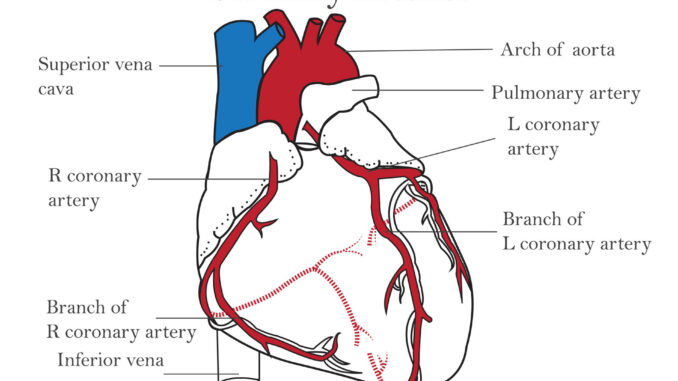
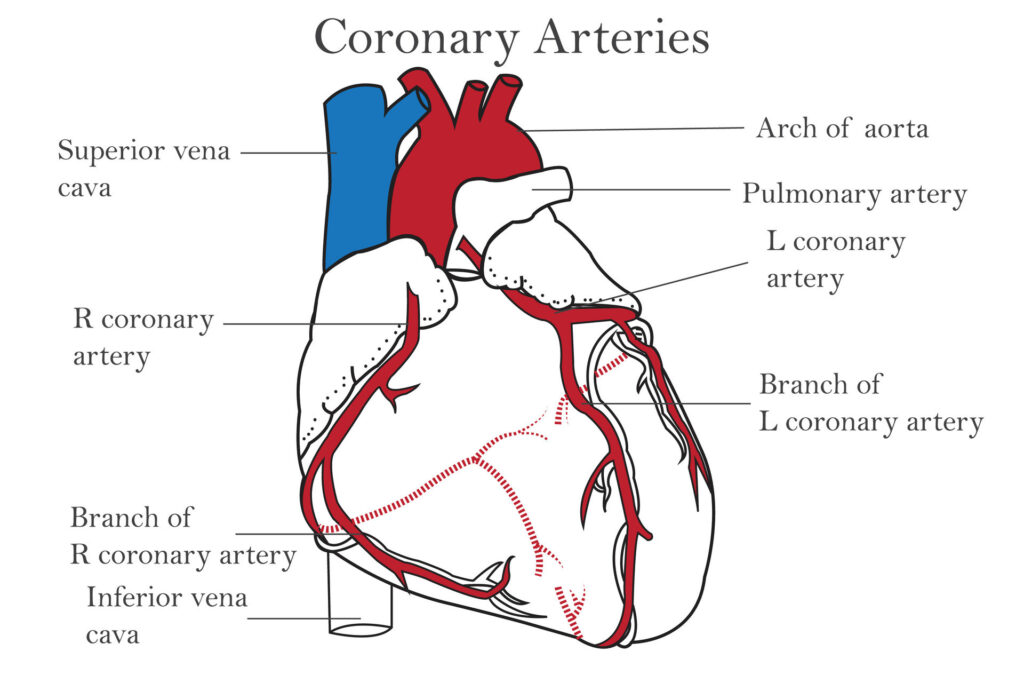
artery
音标:
英音/ ˈɑːtəri / 美音/ ˈɑːrtəri /
听听基本释意:
外刊例句:
As humans age, a build-up of fats, cholesterol and other substances can make arteries thicken or harden, causing atherosclerosis.
随着人类年龄的增长,脂肪、胆固醇和其他物质的积累会使动脉增厚或硬化,导致动脉粥样硬化。
—BBC
They are the arteries through which credit is extended, wages are paid, savings are stashed or withdrawn.
它们是发放信贷、支付工资、储存或提取储蓄的动脉。
—BBC
The teenager who had a fully developed extra set of limbs and a pelvis – sustained by a chest artery – underwent a two-hour surgery at Aiims hospital in Delhi.
这名青少年拥有完全发育的额外四肢和骨盆,由胸动脉支撑,在德里的艾姆斯医院接受了两个小时的手术。
—BBC
基本释意:
noun
a blood vessel that carries blood from the heart to the body
动脉;干线,干道,干流
同义词:
没有找到同义词
短释义:
The word artery comes from the Greek arteria, which means “windpipe.” In ancient times, an artery was thought to be a kind of air duct, because after someone dies, their arteries are empty of blood. Today we know that arteries (and veins) perform a vital job, constantly moving blood around our bodies. Systems of rivers or roads with networks and branches that resemble the human circulatory system can also be called arteries.
动脉是将血液从心脏输送出去的主要血管。为了心脏健康,请保持动脉清洁!
长释义:
The word artery comes from the Greek arteria, which means “windpipe.” In ancient times, an artery was thought to be a kind of air duct, because after someone dies, their arteries are empty of blood. Today we know that arteries (and veins) perform a vital job, constantly moving blood around our bodies. Systems of rivers or roads with networks and branches that resemble the human circulatory system can also be called arteries.
动脉这个词来自希腊语arteria,意思是“气管”。在古代,动脉被认为是一种气管,因为人死后,动脉中就没有血液了。今天,我们知道动脉(和静脉)发挥着至关重要的作用,不断地在我们的身体周围输送血液。具有类似于人体循环系统的网络和分支的河流或道路系统也可以称为动脉。
文学例句:
“I think there’s an artery there, in his leg. And that dæmon…”
“我认为他的腿上有一条动脉。而那个恶魔……”
—The Book of Dust: La Belle Sauvage by Philip Pullman
He could feel it surge into his arteries.
他能感觉到它涌入他的动脉。
—Messenger by Lois Lowry
Quickly, I felt with two fingers against his throat for that artery, the big one up there under your jaw.
很快,我用两根手指摸着他的喉咙,寻找那条动脉,就是你下巴下面的那根大动脉。
—Red Kayak by Priscilla Cummings
词源:
artery(n.)late 14c., “an arterial blood vessel,” from Anglo-French arterie, Old French artaire (13c.; Modern French artère), and directly from Latin arteria, from Greek arteria “windpipe,” also “an artery,” as distinct from a vein; related to aeirein “to raise” (see aorta).
They were regarded by the ancients as air ducts because the arteries do not contain blood after death, and 14c.-16c. artery in English also could mean “trachea, windpipe.” Medieval writers, based on Galen, generally took them as a separate blood system for the “vital spirits.” The word is used in reference to artery-like systems of major rivers from 1805; of railways from 1844.also from late 14c.
下面是词源的翻译(机器翻译比较难翻,参考着看)
arterial(n.)late 14c.,“动脉血管”,源自英法 arterie,古法语 artaire(13c.;现代法语 artère),以及直接源自拉丁语 arteria,源自希腊语 arteria“气管”,也是“动脉”,与静脉不同;与 aeirein “升高”相关(参见主动脉)。它们被古人视为空气管道,因为死后动脉中不含有血液,14c.-16c。英语中的动脉也可以表示“气管、气管”。以盖伦为基础的中世纪作家通常将它们视为“生命之灵”的独立血液系统。该词自 1805 年起用于指代主要河流的动脉状系统; 1844 年起的铁路。也从 14 世纪末开始。
本站没有存储任何书籍、杂志和报纸。
页面内容只做展示和推荐。如果您喜欢本期内容请购买正版。
This site does not store any books, magazines or newspapers.
The contents of the pages are for display and recommendation only.
If you like the content of this issue please purchase the original.