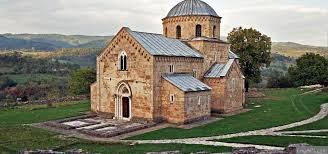
monastery
音标:
英音/ ˈmɒnəst(ə)ri / 美音/ ˈmɑːnəsteri /
听听基本释意:
外刊例句:
Still, some in Aba, or Ngaba in Tibetan, which is home to the Kirti monastery, have gone to extreme measures to challenge these restrictions.
尽管如此,格尔登寺所在地阿坝(藏语称阿坝)的一些人已经采取了极端措施来挑战这些限制。
—BBC
But on Friday, the monastery collapsed completely when the earthquake struck.
但周五地震发生时,该寺院彻底倒塌。
—BBC
Organisers of the dig will now study the findings, but they say they are confident radiocarbon analysis of the artefacts will confirm this was the location of Erenagh’s long lost monastery.
挖掘工作的组织者现在将研究这些发现,但他们表示,他们有信心对文物进行的放射性碳分析将证实这是埃雷纳失落已久的修道院的所在地。
—BBC
基本释意:
none
none
修道院;僧侣
同义词:
没有找到同义词
短释义:
Christians have a church, Jews have a synagogue, and monks have a monastery, which serves not only as their holy place of worship, but also where they eat and sleep. You’ll use the word mostly when referring to monks, but there are some monasteries for Catholic nuns. The Greek word monastērion means “a place to live alone,” and monks and nuns go to a monastery to focus on their religion in isolation, away from the rest of the world.
修道院是僧侣在实践宗教活动时居住的建筑物。有的寺院住着数百名僧侣,有时只有一名僧人独自居住。
长释义:
Christians have a church, Jews have a synagogue, and monks have a monastery, which serves not only as their holy place of worship, but also where they eat and sleep. You’ll use the word mostly when referring to monks, but there are some monasteries for Catholic nuns. The Greek word monastērion means “a place to live alone,” and monks and nuns go to a monastery to focus on their religion in isolation, away from the rest of the world.
基督徒有教堂,犹太人有犹太教堂,僧侣有修道院,修道院不仅是他们礼拜的圣地,也是他们吃饭和睡觉的地方。大多数情况下,您会在指代僧侣时使用这个词,但也有一些修道院是为天主教修女服务的。希腊语 monastērion 的意思是“独居的地方”,僧侣和修女会去修道院,远离世俗,专注于自己的宗教信仰。
文学例句:
Sometimes however, the heads of houses received episcopal dispensations to reside for a period outside their monasteries, for the sake of health.
然而,有时,出于健康考虑,修道院院长会得到主教的特许,可以在修道院外居住一段时间。
—Medieval English Nunneries c. 1275 to 1535 by Power, Eileen
Then, again, they suffer from the quasi-monastic character of colleges; they have inherited some of the railing accusations which used to be brought against monasteries.
然后,他们再次遭受大学准寺院性质的困扰。他们继承了一些过去针对修道院的指责。
—Aspects of Modern Oxford by Godley, A. D. (Alfred Denis)
The fact that Cork was so often plundered by the Danes and other Northmen shows that it must have been an important place, at least in the matter of churches and monasteries.
科克经常被丹麦人和其他北方人掠夺,这一事实表明它一定是一个重要的地方,至少在教堂和修道院方面是如此。
—Beauties and Antiquities of Ireland by Russell, T. O.
词源:
monastery(n.)”place of residence occupied in common by persons seeking religious seclusion from the world,” c. 1400, monasterie, from Old French monastere “monastery” (14c.) and directly from Late Latin monasterium, from Ecclesiastical Greek monastērion “a monastery,” from monazein “to live alone,” from monos “alone” (from PIE root *men- (4) “small, isolated”). With suffix -terion “place for (doing something).” Originally applied to houses of any religious order, male or female, but commonly especially one used by monks. Related: Monasterial (mid-15c.).also from c. 1400
下面是词源的翻译(机器翻译比较难翻,参考着看)
修道院(n.)“寻求与世隔绝的宗教人士共同居住的地方”,c. 1400,monasterie,源自古法语 monastere“修道院”(14c.),直接源自后期拉丁语 monasterium,源自教会希腊语 monastērion“修道院”,源自 monazein“独自生活”,源自 monos“单独”(来自 PIE 词根 *men- (4)“小,孤立”)。带后缀-terion“(做某事)的地方”。最初适用于任何宗教团体的房屋,无论男性还是女性,但通常尤其是僧侣使用的房屋。相关:修道院(15世纪中期)。也来自c。 1400
本站没有存储任何书籍、杂志和报纸。
页面内容只做展示和推荐。如果您喜欢本期内容请购买正版。
This site does not store any books, magazines or newspapers.
The contents of the pages are for display and recommendation only.
If you like the content of this issue please purchase the original.